


How to Use a Spray Foam Gun (Professional Step-by-Step Guide)
A spray foam gun is used to apply polyurethane expanding foam for sealing gaps, insulating cavities, and preventing air leakage.
The correct process involves:
-
Preparing and masking the surface
-
Shaking and attaching the foam canister
-
Testing the spray pattern
-
Applying foam in 50–60% layers
-
Allowing 45–90 minutes before trimming
-
Cleaning the gun immediately after use
Proper use improves insulation efficiency and prevents foam gun clogging.

What Is a Spray Foam Gun?
A spray foam gun is a controlled applicator that connects to a pressurized polyurethane foam canister.
Compared to straw applicators, spray foam guns offer:
-
Adjustable foam flow
-
Precise application
-
Reduced material waste
-
Higher durability for repeated use

Typical Performance Characteristics
| Feature | Typical Value |
|---|---|
| Foam expansion rate | 2× – 3× liquid volume |
| Optimal spraying distance | 20–30 cm |
| Ideal temperature range | 15–30°C |
| Surface dry time | 5–15 minutes |
| Trim-ready time | 45–90 minutes |
| Full cure | 24 hours |
These values are commonly referenced by manufacturers and building insulation guidelines.
Required Tools and Safety Equipment
Before opening a spray foam canister, prepare the following materials.
Equipment Checklist
-
Spray foam gun with flow adjustment
-
Polyurethane foam canister
-
Replacement spray nozzles
-
Acetone or gun cleaning solution
-
Masking tape
-
Drop cloths or plastic sheeting
-
Utility knife or foam saw
Safety Gear
-
Nitrile gloves
-
Safety goggles
-
Respirator mask (recommended indoors)
-
Protective clothing
Expanding foam bonds strongly to skin and surfaces within seconds. Always wear gloves.
Step-by-Step Guide to Using a Spray Foam Gun
Step 1 : Prepare the Surface
Foam adhesion depends heavily on surface preparation.
Preparation checklist:
-
Remove dust and debris
-
Ensure the surface is dry
-
Protect nearby areas with plastic sheets
-
Mask surfaces within 30 cm (12 inches)
Professional installers often lightly mist porous surfaces such as concrete or brick because polyurethane foam cures through a moisture-activated chemical reaction.
Step 2 : Shake and Attach the Foam Canister
Polyurethane chemicals separate during storage.

Preparation steps:
-
Shake the canister vigorously for 60 seconds
-
Attach the canister to the gun coupler
-
Install the desired spray nozzle
-
Set flow control to the lowest setting
This ensures consistent foam density and expansion.
Step 3 : Perform a Test Spray
Before spraying the actual surface:
Test the gun on:
-
Cardboard
-
Scrap wood
-
Plastic sheet
Check for:
-
Consistent foam output
-
Correct spray pattern
-
Proper flow control
Adjust the flow dial if necessary.
Step 4 : Apply Foam in Even Passes
Correct spraying technique ensures uniform insulation.

Recommended Application Method
| Parameter | Recommended Value |
| Distance from surface | 20–30 cm |
| Pass overlap | 30–40% |
| Initial fill depth | 50–60% |
| Layer curing delay | 10–15 minutes |
Spray foam expands significantly during curing, which is why cavities should never be filled completely in one pass.
Environmental Conditions for Spray Foam
Temperature significantly affects foam performance.
| Temperature | Result |
| Below 10°C | Poor expansion |
| 15–30°C | Optimal performance |
| Above 35°C | Foam cures too quickly |
Store foam canisters at room temperature before use.
Spray Foam Curing Timeline
| Stage | Time | Action |
| Surface dry | 5–15 min | Leave untouched |
| Trim ready | 45–90 min | Cut excess foam |
| Paint ready | 8–12 hours | Apply coatings |
| Full cure | 24 hours | Structural stability |
Disturbing foam before full curing can weaken insulation performance.
Step 5 : Trim Excess Foam
After curing, excess foam can be trimmed using:
-
Utility knife
-
Handsaw
-
Foam cutting saw
Best practice:
-
Score lightly along the surface
-
Make multiple shallow cuts
-
Trim flush with the surrounding material
Sanding the surface with 80-grit sandpaper improves paint adhesion.
Step 6 : Clean the Spray Foam Gun
Cleaning is the most important step for preserving the tool.
Polyurethane foam begins curing inside the gun within 5–8 minutes.

Cleaning Process
-
Remove the foam canister
-
Dispense remaining foam onto scrap material
-
Attach acetone or cleaning cartridge
-
Flush until clear solvent exits the nozzle
-
Wipe external surfaces
Cleaning typically takes under 3 minutes.
Skipping this step may permanently block the gun.
Common Spray Foam Gun Mistakes
1. Not Shaking the Canister
Foam chemicals separate during storage.
Solution: Shake for 60 seconds before use.
2. Spraying Too Close
Holding the nozzle under 10 cm creates uneven foam buildup.
Solution: Maintain 20–30 cm spraying distance.
3. Overfilling Cavities
Foam expands significantly during curing.
Solution: Fill cavities only halfway initially.
4. Skipping Surface Cleaning
Dust and oil reduce adhesion.
Solution: Clean surfaces before spraying.
5. Delaying Gun Cleaning
Foam can harden inside the gun within 15–30 minutes.
Solution: Clean immediately after finishing.
Expert Summary
Correct spray foam gun usage depends on three habits:
-
Prepare surfaces properly
-
Apply foam in controlled layers
-
Clean the gun immediately
Following these practices results in:
-
Better insulation performance
-
Lower material waste
-
Longer tool lifespan
Frequently Asked Questions
How far should a spray foam gun be held from the surface?
The recommended distance is 20–30 cm (8–12 inches) to ensure even foam distribution.
Can spray foam guns fill small cracks?
Yes. Using a narrow nozzle with low flow control allows precise application in small gaps.
How long does spray foam take to cure?
Typical curing times:
-
Surface dry: 5–15 minutes
-
Trim ready: 45–90 minutes
-
Full cure: 24 hours
What happens if a spray foam gun is not cleaned?
Foam may harden inside the gun barrel within 15–30 minutes, permanently clogging it.
Are spray foam nozzles reusable?
Most nozzles are designed for single use, although immediate cleaning may allow 2–3 uses.
Compartir este




Autor: Krakenbond
Found this helpful? Make Kraken Bond your go-to source on Google
If our content has been useful, you can tell Google to show more of it when you search. Click below, then check the box next to "KrakenBond.net" on the page that opens. It takes about five seconds.
Add Kraken Bond on GoogleYou'll need to be signed in to your Google account. One click, then tick the box next to KrakenBond.net
Let customers speak for us
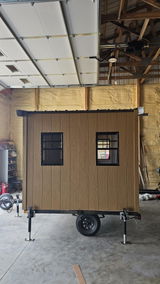
Fantastic product and very easy to use. I used it to insulate my mobile deer hunting blind. I was a little worried that it wasn't going to stick to the Tyvek wrap, but it did with no problems. Coverage was great and the cans lasted longer than I thought they would. I will definitely be a customer for life and I would highly recommend to anyone!

Good foam used to insulate a garage door would definitely purchase again if I need to insulate something else .
Honestly easier to use than expected. Covered smoothly and was an easy system to use.
It says its fire rated but I shook the can for a long time and the foam is not orange. I am not sure if building inspector will agree to this being fire rated, it needs to be orange.

This worked for me to get the spray deep inside a wall cavity to the house first floor joists. I would recommend moving the flexible end to the middle of the barrel, instead of near the end.

Works as expected easy to use

Love this stuff!!! Easy to work with as well

Great product. After searching for hours I finally found a foam that is black, UV resistant and low pressure. I just wish Kraken would promote that it can be used for around the house. I have an old house with wood shake siding and wanted to fill in holes all over the place but not show up on the exterior, should it expand thru to the exterior. Product worked great...the black disappears and the low pressure does not push the old wood shakes off.
Great stuff
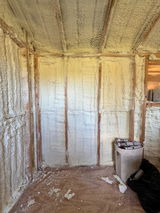
We’ve never used a DIY spray foam product before, but we will from now on! Krakenbond was easy to use, easy to learn, and we are pleased with our little office space.
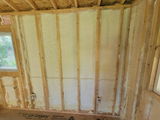
I was hesitant at first, friends had advised me that these type of products are difficult to use. This product was easy to use and I would definitely refer friends to try this product

WONDERFUL PRODUCT ...EVEN BETTER TURNAROUND AS THIS PRODUCT WAS USED TO SECURE A LARGE SALE OF INVENTORY.

WORKS GREAT

GREAT QUALITY
Very good


Dejar un comentario