



Mobile Home Insulation Guide: Best Insulation for Walls, Underbelly, Floor & Roof (R-Value + Cost)
Super-insulating a mobile home means upgrading the floor/underbelly (R-19 to R-30), walls (R-13 to R-19), roof/ceiling (R-22 to R-40), and skirting to exceed minimum HUD standards. Total cost ranges from $1,200 to $8,900 depending on home size and materials. Closed-cell spray foam delivers the highest performance per inch; fiberglass batts are the most budget-friendly option.

Why Mobile Homes Lose Heat Faster Than Site-Built Homes
Mobile homes are built on steel chassis frames, which means their floors are exposed to outdoor air from below—unlike a slab-foundation house. Combine that with thinner wall cavities (typically 2×3 or 2×4 framing instead of 2×6) and older fiberglass batts that sag or absorb moisture over time, and you get a home that can lose up to 40% more heat than a comparable site-built structure.

The result is higher energy bills, cold floors in winter, hot ceilings in summer, and condensation problems that lead to mold and rot. Targeted insulation upgrades address every one of these issues—and most can be done area by area, without a full renovation.
HUD Thermal Zones & Minimum R-Value Requirements
Before you buy a single roll of insulation, identify your HUD Thermal Zone. The U.S. Department of Housing and Urban Development divides the country into three zones for manufactured housing:
|
HUD Zone |
Location |
Min. Ceiling R |
Min. Wall R |
Min. Floor R |
|
Zone 1 |
Hot/mild South (FL, TX Gulf Coast, AZ, CA coast) |
R-21 |
R-11 |
R-13 |
|
Zone 2 |
Moderate (most of continental US) |
R-30 |
R-13 |
R-19 |
|
Zone 3 |
Cold North (MN, WI, ND, SD, ME, WY mountains) |
R-38 |
R-19 |
R-22 |
Note: These are HUD minimums for new construction. For a super-insulation upgrade on an existing home, aim for one zone above the minimum to offset air leakage and thermal bridging through the steel frame.
The 2021 IECC (International Energy Conservation Code), which the DOE adopted for manufactured housing in 2022, has raised the bar further. If your home was built before 2000, it likely falls well short of even the Zone 1 minimums.

Area-by-Area Insulation Guide
1. Underbelly (Floor System)
The underbelly is the single most impactful upgrade for most mobile home owners. It is the black polyethylene “belly wrap” that covers the bottom of the floor joists. Over time, this wrap tears from rodent damage, moisture, and road vibration—leaving floor insulation exposed, wet, and ineffective.

Recommended R-value: R-19 (Zone 2) to R-30 (Zone 3)
Best materials for mobile home underbelly:
• Closed-cell spray foam (best overall): Approximately R-6.5 per inch. Two inches of closed-cell foam delivers R-13 and also acts as a vapor barrier. Bonds directly to floor joists, leaves no gaps, and physically blocks rodent entry. Cost: $2,500–$4,500 for a typical 14×70 single-wide.
• Rigid foam board (EPS or XPS): R-3.8–R-5 per inch. Cut to fit between joists, held with adhesive or wire mesh. More DIY-friendly than spray foam. Cost: $500–$1,200 for materials on a single-wide.
• Fiberglass batts (budget option): R-3.1 per inch. Affordable but will absorb moisture if the belly wrap is compromised. Must be covered by a new vapor barrier. Cost: $200–$600 for materials.
How to replace mobile home underbelly insulation (step-by-step):
1. Park the home on level ground and clear access under the home.
2. Inspect the existing belly wrap. Mark all torn sections with tape.
3. Lower the belly wrap in 4-foot sections using a utility knife. Remove wet or molded fiberglass batts entirely—never reuse them.
4. Inspect floor joists for rot. Replace any damaged wood before insulating.
5. If using spray foam: apply a professional two-component closed-cell kit at 2–3 inches to the underside of the subfloor and joists.
6. If using rigid foam: cut EPS boards to fit snugly between joists. Tape all seams with housewrap tape.
7. Install a new 6-mil polyethylene vapor barrier over the insulation, stapling it to the belly board frame.
8. Reattach the new belly wrap using staples, screws, and repair tape rated for exterior use.
Cost to replace mobile home underbelly insulation (2026):
• Single-wide (14×70): $1,203–$2,807 professionally installed
• Double-wide (28×60): $2,005–$4,210 professionally installed
• DIY materials only (rigid foam or batts): $300–$900
2. Floor (Interior Side)
If accessing the underbelly from outside isn’t possible, or if you want additional thermal protection, you can insulate from the interior side between the floor joists before laying new flooring.

Recommended R-value: R-19 to R-25
• Use 2-inch rigid foam (polyiso, R-12.6) glued to the subfloor surface before adding new flooring.
• Alternatively, use fiberglass batts pushed up from below before reattaching the belly wrap.
• Seal the rim joist (the perimeter of the floor frame) with one-part spray foam before installing any batt insulation—this area is responsible for a disproportionate share of floor heat loss.
3. Walls
Mobile home exterior walls are typically framed with 2×3 or 2×4 studs on 16-inch centers, leaving 2.5–3.5 inches of cavity depth. Factory-installed insulation is usually R-7 to R-11 fiberglass. Upgrading to R-13 or higher requires either adding material to the existing cavity or injecting dense-pack cellulose or foam from the exterior.
Recommended R-value: R-13 (Zone 1/2) to R-19 (Zone 3)
Best options for mobile home wall insulation:
• Dense-pack cellulose or fiberglass injection (least invasive): A contractor drills 2-inch holes in the exterior or interior, blows material into the wall cavity under pressure, then patches the holes. Adds R-3 to R-5 per inch.
• Closed-cell spray foam injection: Higher R-value (R-6.5/inch) than cellulose, also air-seals the cavity. Best for walls with moisture infiltration.
• Interior rigid foam layer: Remove interior paneling, add 1-inch polyiso (R-6.5) over the studs, then reinstall drywall. Reduces interior dimensions slightly but significantly improves performance.
• New exterior cladding with continuous foam: If re-siding the home, add 1–2 inches of exterior rigid foam (R-5 to R-10) under new siding. Eliminates thermal bridging through studs.
Cost for mobile home wall insulation:
• Dense-pack injection (professional): $1,500–$3,500 whole home
• Spray foam injection (professional): $2,000–$5,000 whole home
• DIY interior rigid foam layer: $400–$1,200 in materials
4. Roof & Ceiling
Heat rises, making the ceiling the most critical area for year-round comfort. Most mobile homes have a flat or low-pitch roof with a small rafter cavity (typically 2–4 inches), making it harder to achieve high R-values with traditional batts alone.

Recommended R-value: R-22 (Zone 1) to R-40 (Zone 3)
Best options for mobile home roof/ceiling insulation:
• Blown-in cellulose or fiberglass: R-3.5–R-4 per inch. If there’s any attic access, blown-in insulation is the fastest and most cost-effective way to raise ceiling R-value. A 10-inch layer of blown cellulose delivers approximately R-38.
• Closed-cell spray foam on underside of roof decking: R-6.5/inch. Creates a conditioned attic and eliminates the need for ceiling vapor barriers. Ideal for double-wides and homes with flat roofs.
• Rigid foam on roof exterior (re-roofing project): Add 1–3 inches of polyiso (R-6 to R-20) under new metal roofing. Eliminates thermal bridging and adds significant R-value without consuming interior space.
Cost for mobile home roof/ceiling insulation:
• Blown-in cellulose (professional): $800–$2,000
• Spray foam on roof deck (professional): $2,000–$4,500
• DIY blown-in (tool rental + bags): $300–$700
5. Skirting (Insulated)
Skirting encloses the space between the bottom of the mobile home and the ground. Uninsulated vinyl skirting does almost nothing thermally—it just blocks wind and hides pipes. Insulated skirting creates a thermal buffer zone that protects plumbing from freezing, reduces underbelly heat loss, and can lower heating costs by 5–15% on its own.
Best options for insulated mobile home skirting:
• Insulated vinyl panels (R-2 to R-4): Factory-made panels with foam backing. Lightweight, DIY-friendly, and available at most manufactured home supply stores. Best for Zone 1 and 2.
• Rigid foam board framed skirting (R-10 to R-20): Build a simple frame from pressure-treated 2×4s and attach 2–4-inch EPS or XPS panels. Most cost-effective high-performance option.
• Concrete masonry skirting: Offers excellent thermal mass and durability, but requires professional installation and a prepared footer in colder climates.
Cost of insulated mobile home skirting (2026):
• Insulated vinyl (single-wide): $1,440–$3,000 installed
• Insulated vinyl (double-wide): $1,760–$4,500 installed
• DIY rigid foam skirting: $400–$900 in materials
Insulation Material Comparison
|
Material |
R-Value/inch |
Vapor Barrier? |
Moisture Resistant? |
DIY-Friendly? |
Best Used In |
|
Closed-cell spray foam |
R-6.5 |
Yes |
Yes |
No (pro) |
Underbelly, walls, roof |
|
Open-cell spray foam |
R-3.7 |
No |
No |
No (pro) |
Interior walls, attics |
|
Rigid foam (XPS) |
R-5.0 |
Partial |
Yes |
Yes |
Floor, skirting, ext. walls |
|
Rigid foam (EPS) |
R-3.8 |
No |
Moderate |
Yes |
Underbelly, skirting |
|
Rigid foam (Polyiso) |
R-6.5 |
No |
Moderate |
Yes |
Roof, interior walls |
|
Fiberglass batts |
R-3.1 |
No |
No |
Yes |
Walls, floor (dry only) |
|
Dense-pack cellulose |
R-3.5 |
No |
Moderate |
Partial |
Wall cavities |
|
Blown-in fiberglass |
R-2.5 |
No |
No |
Partial |
Ceiling/attic |
Key insight: For any area exposed to ground moisture (underbelly, crawl space, skirting), always choose a moisture-resistant material—either closed-cell spray foam or XPS rigid foam. Fiberglass batts will absorb moisture, lose R-value, and promote mold growth within 2–5 years in these applications.
How Much Does It Cost to Insulate a Mobile Home? (2026)
This is the most-searched question on this topic. Here are clear, current numbers:
Cost by Area
|
Area |
DIY Materials |
Professional Installation |
|
Underbelly only – single-wide |
$300–$900 |
$1,203–$2,807 |
|
Underbelly only – double-wide |
$500–$1,400 |
$2,005–$4,210 |
|
Walls only |
$400–$1,200 |
$1,500–$3,500 |
|
Ceiling/roof only |
$300–$700 |
$800–$2,000 |
|
Full home (spray foam, top to bottom) |
N/A |
$5,900–$8,900 |
|
Insulated skirting – single-wide |
$400–$900 |
$1,440–$3,000 |
Cost by Material (per sq ft, installed)
|
Material |
Average Cost per Square Foot (Installed) |
|
Closed-cell spray foam |
$1.50–$3.50 |
|
Open-cell spray foam |
$0.85–$1.85 |
|
Blown-in cellulose |
$0.60–$1.50 |
|
Rigid foam board (labor + material) |
$0.75–$2.00 |
|
Fiberglass batts (labor + material) |
$0.50–$1.25 |
Energy Savings
A full insulation upgrade typically reduces heating and cooling costs by 10% to 40%, depending on current insulation levels, climate zone, and air sealing quality. On an average utility bill of $200/month, a 25% reduction saves $600/year. Most underbelly-only projects pay for themselves in 3–7 years.
Air Sealing: The Step Most DIYers Skip
Insulation without air sealing is like wearing a sweater full of holes. Before installing any new insulation, find and seal every air pathway:
1. Run a smoke or incense test on a windy day. Hold a smoke pen near electrical outlets, pipe penetrations, and the perimeter of the home. Any flicker reveals a draft.
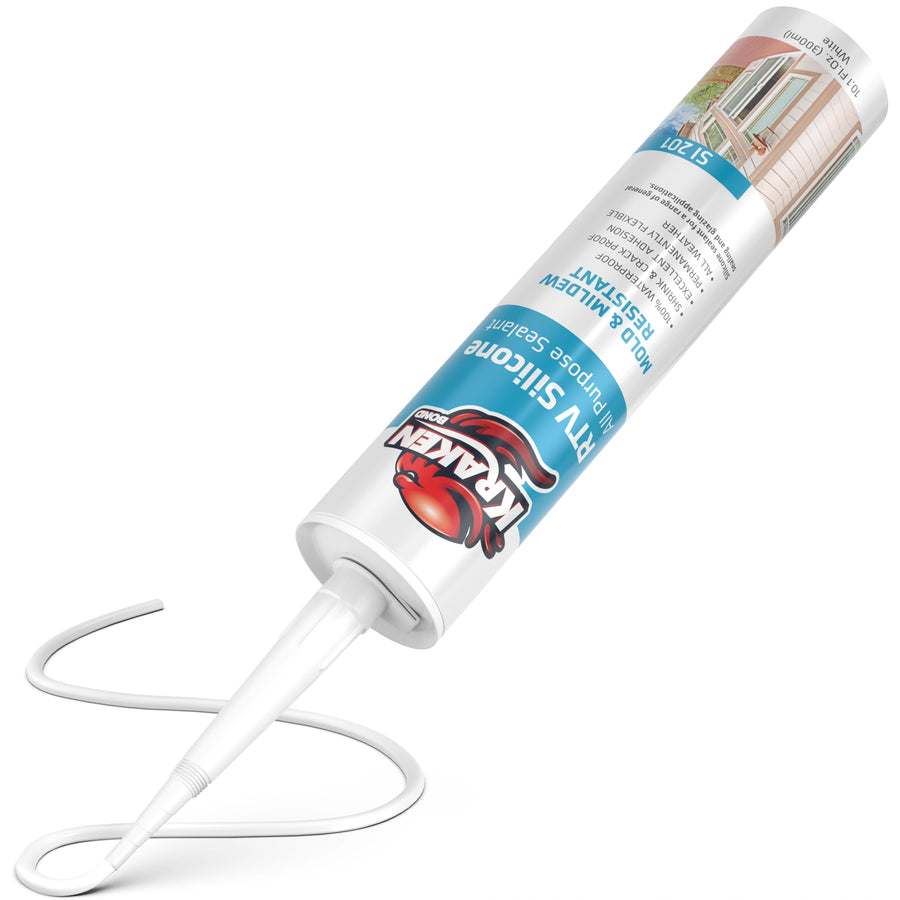
2. Caulk all narrow gaps (under ¼ inch) with silicone or latex caulk along baseboards, around pipes, and at window frames.
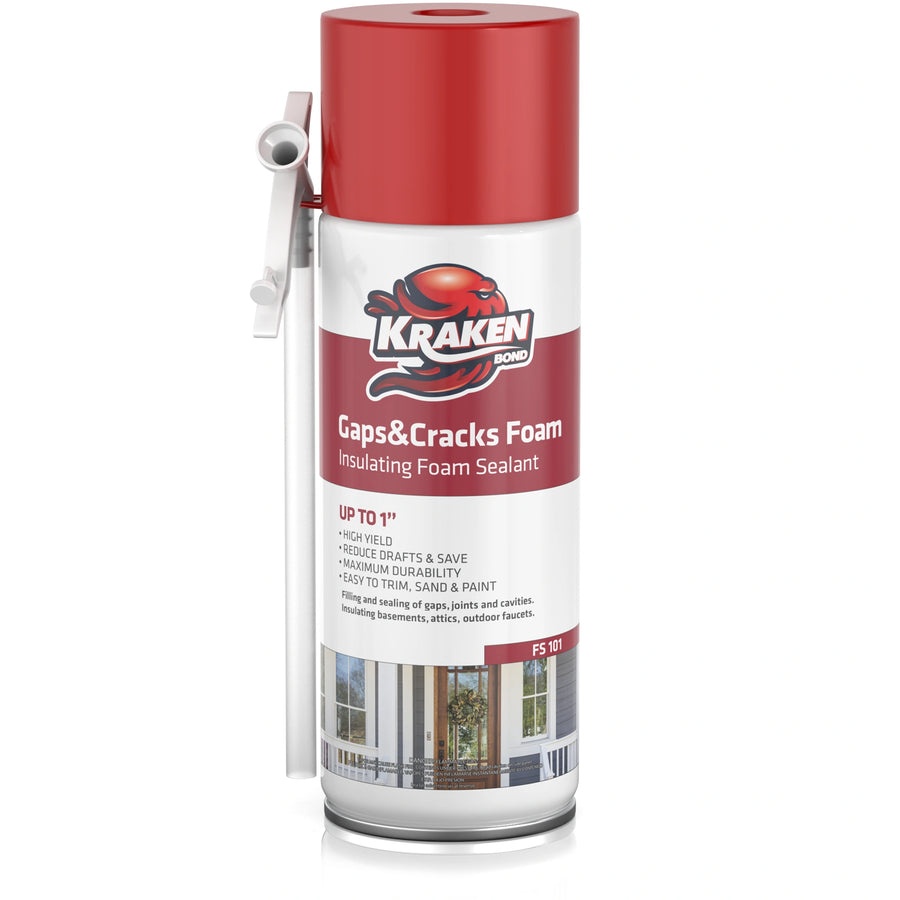
3. Use one-part spray foam for gaps wider than ¼ inch—around plumbing penetrations, dryer vents, and the rim joist.
4. Check the belly wrap seams for tears. Even small holes let cold air circulate against the floor insulation and nullify much of its effectiveness.
5. Inspect the roof-to-wall connection (the eave area). This is a common air leak point on single-section homes.
Air sealing alone, with no new insulation, can reduce energy bills by 5–15% on older mobile homes.
DIY vs. Professional Installation
|
Factor |
DIY |
Professional |
|
Cost |
Lower (materials only) |
Higher (includes labor) |
|
Spray foam application |
Not recommended |
Required for 2-component kits |
|
Underbelly work |
Possible but physically demanding |
Faster, cleaner result |
|
Wall injection |
Requires specialty equipment |
Standard contractor service |
|
Permits |
Varies by state |
Contractor typically handles |
|
Warranty |
None |
1–10 years depending on installer |
|
Best for |
Rigid foam skirting, batt replacement, caulking |
Spray foam, blown-in, full upgrades |
FAQs About Mobile Home Insulation
Can You Use Spray Foam Insulation Under A Mobile Home?
Yes, spray foam is the best for your mobile home underbelly insulation. It protects the crawlspace by creating a barrier that prevents moisture buildup, mold growth, and condensation.
What Is the Best Insulation for a Mobile Home?
Spray foam insulation is generally considered the best insulation for mobile homes because it provides excellent thermal performance, air sealing, and moisture resistance.
What Type Of Insulation Is Used Under A Mobile Home?
Batts, rigid foam, spray foam, and blown-in insulation are common insulation used in a mobile home. Batts insulation is affordable but susceptible to moisture. This makes spray foam insulation the ideal option for areas prone to water, like under a mobile home.
What R-Value Insulation Is Recommended for Mobile Home Floors?
The recommended R-value for mobile home floor insulation is R19 to R30, depending on climate conditions.
What Is The Best Way To Insulate Mobile Home Walls?
The best way to insulate mobile home walls is to use spray foam insulation. Spray foam insulation is expensive, but it offers more benefits than other insulation types.
What Is The Cheapest Way To Insulate A Mobile Home?
Fiberglass batt insulation is usually the most affordable insulation option for mobile homes.
However, spray foam insulation provides better long-term performance.
How Do You Insulate a Mobile Home?
To insulate a mobile home effectively:
-
Insulate the underbelly or crawl space
-
Add insulation to walls and roof cavities
-
Seal air leaks around windows and doors
-
Protect plumbing pipes with insulation sleeves
This improves energy efficiency and indoor comfort.
 Back to Spray Foam Insulation Blog

)



Author : Krakenbond Team
Let customers speak for us

Like it
Great product, easy to use.
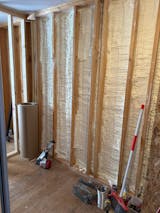
we used it in our new bathroom. Easy to use works well!
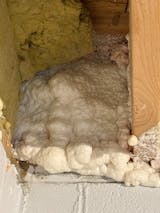
I used the Kraken FastCoat Fire Rated spray foam insulation to seal rim joists in our basement.
The kit ordered came with everything I needed to get started. The spray foam, cleaner, and gun. Application was seamless. Following the directions provided, it foam went on evenly and adhered to not only the wood in the joists, but also the metal ducts present in some of the joist bays.
I was actually pretty impressed with it, which is saying a lot for me. The application I used it for, sealing joist bays to be air tight, worked extremely well. Ordering another case of it to use to air seal my attic.
Used it to insulate crawl space beneath the sun room. Excellent. Easy to use. No mess. Just wish there were more in the bottles.
When remodeling an existing full foam cavity fill project. This product is a geart solution for replacing areas of the existing that had to be removed during the remodel especialy when it isn't cost effective to have a commercial spray foam contractor out for touchup. Make sure to have enough cans to get it done. Touching up a 2' area of a full fill 2x10 floor joist will take about 1½ cans.

Great product! Easy to use and hoping it will last a long time. Great service and delivery experience for me.
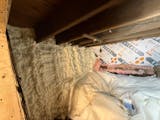
Great fast option for repairs
great product
Definitely a learning curve in use, but over all great product.
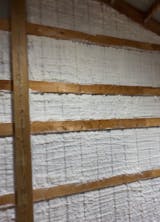
Works great, easy to use and apply. Cans and cleaner very user friendly! tays warmer than previously!
Very easy to use and awesome product. Works very well and no complaints. Used it at home but would def use it at work if the company allowed but they have their own sources.
Easy to apply. Applied a 48 pack to my metal shed in less than an hour.
Great coverage and easy to use!
Was clean installation and delivered as much per ft. as advertised. Im placing another order. Full disclosure, I havent tried other brands, but I was happy. The cleaner works really well as well! I did a 2ft. Swath all the way around the base of my 40x48 shed with 24 cans.




Leave a comment