


Is Spray Foam Insulation Flammable?
“Is spray foam insulation flammable?” - is a question that many homeowners and professional insulation installers debate over. Spray foam insulation has become popular because of its exceptional thermal performance. Despite the popularity of spray foam, its flammability is an important subject for many property owners.

In this article, we will uncover the uncertainty surrounding the flammability of spray foam insulation. In addition, we will outline fire safety measures and common concerns about spay foam insulation.
What is Spray Foam Insulation?
Spray foam insulation is a type of insulation that creates a barrier against air movement in buildings. Spray foam insulation is applied as a liquid to create an air-tight environment. It is one of the most effective methods as it reduces air filtration by sealing tiny spaces in buildings.
Spray foam insulation is made from a mixture of two chemical products that turn into foam and expand on application. Closed-cell and open-cell spray foam are two types of spray foam insulation. Closed-cell spray foam is dense and has a higher resistance to heat transfer. Open-cell insulation is lightweight and less rigid than closed-cell spray foam.
How Does Spray Foam Insulation Work?
Spray foam insulation works by creating a layer of foam to resist conductive, convective, and radiative heat flow in buildings. Spray foam insulation creates a layer of foam when two chemical products are mixed. The foam expands to 60 times its original size when applied and then hardens rapidly. The foam fills the area it is been applied and resists heat transfer and air leakage.
The two types of spray foam offer excellent thermal insulation properties. Open-cell spray foam creates a lighter layer of foam and is flexible, while closed-cell is dense and rigid.

Is Spray Foam Insulation Flammable?
To end your curiosity, every insulating material, which includes spray foam insulation, is flammable. However, spray foam insulation has a class 1 fire rating which means it has a good fire spread index and smoke development index.
Understanding Flammability
The flammability of a material describes its behavior when ignited with fire. These behaviors include the propensity to spread fire, smoke development rate, and susceptibility to ignition. Understanding the flammability of an insulating material is important to determine its resistance to fire.
Factors That Affect Flammability
The flammability of an insulating material is its ability to ignite during combustion. There are 4 factors that can affect the flammability of an insulating material. These factors include the following:

-
Composition of Material
The composition of a material can make it less susceptible to burning. For example, an insulating material with a chemical composition that supports combustion will burn easily.
-
Moisture Content
The moisture content of an insulating material affects its flammability. In essence, wet materials are less likely to burn, or they burn slowly. On the other hand, dry materials are likely to burn easily.
-
The Thickness of The Insulating Material
The density or thickness of a material plays an important on its flammability. Materials with high density, like closed-cell spray foam, do not burn easily.
-
Thermal Stability
A material that can withstand high temperatures without igniting has high thermal stability. Therefore, materials with high thermal stability are less flammable and vice versa.

Fire Safety Measures For Spray Foam Insulation
Fire accidents are tragedies we all try to avoid as much as possible. The loss of properties and even life is devastating. Spray foam insulation has a good flame spread index, which means it limits the spread of fire in case of an outbreak. However, it is important to take the following fire safety measures for spray foam insulation in your home:
Use Quality Product
When insulating your home with spray foam insulation, get quality spray foam products that meet industry and local standards. Quality products have good fire resistance; Fast Coat Product is the best spray foam product.
Building Codes and Regulations
Building codes and regulations stipulate the flammability requirement of materials used in construction. Following the local building codes and fire safety regulations regarding spray foam insulation is important.
Safe Installation Practices
Spray foam insulation requires a proper installation to avoid complications that could make it susceptible to fire. Hire a professional to install your spray foam, or follow this detailed guideline on how to insulate like a Pro.
Maintenance and Inspection
Inspect your spray foam insulation regularly and maintain it to preserve its effectiveness. Always check for damages or molds and address the situation immediately.
Common Concerns About Spray Foam Insulation and Flammability
Questions such as ‘Is spray foam fire resistant’, ‘Is closed-cell flammable’, etc., have caused worry for homeowners. Many homeowners have raised common concerns about spray foam insulation and flammability. These concerns include:
Health Risks
During the curing process, spray foam gives off some harmful gases, such as VOO, that may be flammable. It is important to allow spray foam insulation to cure properly after application to eliminate the likelihood of releasing these gases.
Environmental Impact
Many homeowners are worried about their carbon footprint when installing spray foam insulation. This is because the blowing agents used in forming most closed-cell spray foam have a high global warming potential GWP. Fast Coat Product is a closed-cell carbon-neutral product with a low GWP.
Fire Safety In Commercial Buildings
Commercial buildings have more people, and fire safety precautions in these buildings should be a priority. There are several factors many property owners consider as regards the flammability of spray foam insulation. These factors include local code compliance, fire spread and containment of spray foam insulation, and compatibility of spray foam with fire suppression systems.
Conclusion
In conclusion, spray foam insulation is flammable! Spray foam insulation is naturally flammable because of its composition but has a class 1 fire rating. This means spray foam has high fire resistance, and it does not spread flame easily. However, factors such as moisture content, thermal stability, and fire ratings affect the flammability of spray foam insulation.
Spray foam insulation offers excellent insulation properties, but safety measures must be adhered to. Use a professional insulation installer for proper installation of spray foam, use the right product with good fire ratings like Fast Coat Product, and inspect your insulation regularly.
FAQs
Is Spray Foam Flammable When Dry?
Yes, dry spray foam insulation is flammable when in contact with fire. However, the flame spread and smoke development depends on the type of insulation used, the density of the foam, and the presence of fire retardants.
Is Spray Foam Insulation More Flammable Than Other Types of Insulation?
Spray foam insulation is more flammable than other types of insulation, like fiberglass insulation.
Is There Non-Flammable Spray Foam Insulation?
No, the composition of spray foam insulation prevents it from being completely non-flammable. Nevertheless, using fire retardants can reduce the flammability of spray foam insulation.
Is It Safe To Install Spray Foam Insulation Myself?
Yes, it is safe to install spray foam insulation. However, getting a professional insulation installer for your spray foam insulation is advisable.
At What Temperature Will Spray Foam Insulation Ignite?
Spray foam insulation will ignite when heated to 700 degrees Fahrenheit (370 degrees Celsius).
Can Spray Foam Insulation Be Used In Commercial Buildings?
Spray foam insulation is commonly used to insulate commercial buildings. It offers a high R-value to keep commercial buildings energy efficient at all times. Spray foam insulation also provides soundproofing properties and improves air quality in buildings.
What Should I Do If I Suspect That My Spray Foam Insulation Is Flammable?
Spray foam insulation is flammable, and it is important to take the necessary fire safety measures to address the problem. Seek the services of a professional to assess the risk involved and inspect your insulation regularly.
Share this



Author : Krakenbond Team
Found this helpful? Make Kraken Bond your go-to source on Google
If our content has been useful, you can tell Google to show more of it when you search. Click below, then check the box next to "KrakenBond.net" on the page that opens. It takes about five seconds.
Add Kraken Bond on GoogleYou'll need to be signed in to your Google account. One click, then tick the box next to KrakenBond.net
Let customers speak for us

Works great
Sprays great gun works well

This spray foam gun made sealing tight spots a breeze—it easily reaches areas where you normally can't fit. Plus, it's very easy to disassemble and clean up afterward. Highly recommend!
Quick processing, product is fantastic!
Better than other similar products. It’s goes up easily and consistently.
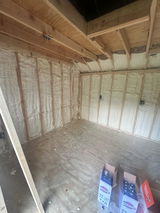
Incredibly easy to use great coverage not a single issue. It says easy to use as tying your shoes. I’m a first time user a little nervous going in, but as soon as you squeeze the trigger, you say I got this
If hardly any mess goes exactly where you point the gun

Love this stuff. Yen cases and counting

Great value great product
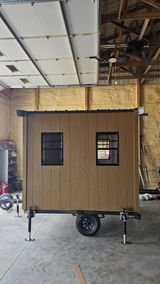
Fantastic product and very easy to use. I used it to insulate my mobile deer hunting blind. I was a little worried that it wasn't going to stick to the Tyvek wrap, but it did with no problems. Coverage was great and the cans lasted longer than I thought they would. I will definitely be a customer for life and I would highly recommend to anyone!
Good foam used to insulate a garage door would definitely purchase again if I need to insulate something else .

Better than expected. Easy to work with.
It says its fire rated but I shook the can for a long time and the foam is not orange. I am not sure if building inspector will agree to this being fire rated, it needs to be orange.

This worked for me to get the spray deep inside a wall cavity to the house first floor joists. I would recommend moving the flexible end to the middle of the barrel, instead of near the end.
Works as expected easy to use

Love this stuff!!! Easy to work with as well



Leave a comment